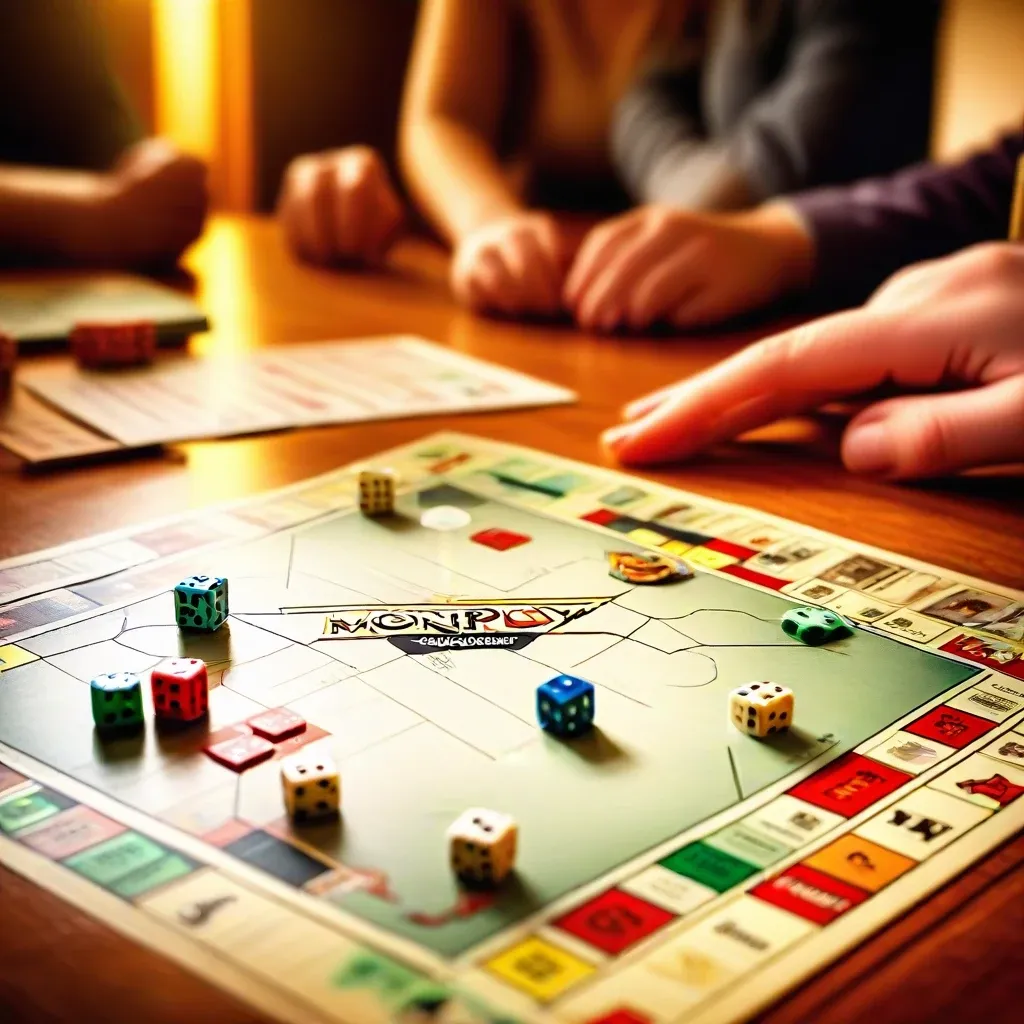
Dust off those forgotten relics from your childhood! An exciting renaissance is sweeping the gaming world, bringing beloved table games back into the spotlight. Remember the thrill of rolling dice, strategically moving pieces across the board, and engaging in lively face-to-face competition? These aren’t just relics of the past; they’re gateways to shared experiences and genuine human connection, offering a refreshing escape from the digital deluge that dominates modern life.
But why this sudden resurgence? Perhaps it’s a yearning for simpler times, a desire to unplug and reconnect with loved ones, or simply the undeniable charm of beautifully designed boards and tactile game pieces. Whatever the reason, the comeback is real, and it’s providing a thrilling opportunity to rediscover hours of fun.
So, prepare to embark on a journey of rediscovery as we dive deep into the captivating world of retro table games. Consider this your personal guide to navigating this exciting trend, uncovering hidden gems, and reigniting your passion for these timeless classics. Get ready to level up your fun and maybe even teach the kids a few new tricks!
The Nostalgia Factor: Why We’re Drawn Back
There’s a certain magic humming beneath the resurgence of table games, a siren song pulling us back to simpler times. It’s more than just a fleeting fad; it’s the potent, undeniable force of nostalgia. This isn’t accidental. Marketers understand the power of nostalgia like a finely tuned engine, and tap into it relentlessly. They know that revisiting the touchstones of our youth – the games we played sprawled on living room floors, the tense silences broken by eruptions of laughter – triggers a cascade of positive emotions.
Think about it: when you see a classic board game, doesn’t a warm feeling bubble up? Maybe it’s the memory of a grandparent patiently explaining the rules, or the thrill of finally winning a hard-fought match against a sibling. These aren’t just games; they’re time capsules filled with cherished childhood memories. This is the psychology of games at its finest, tapping into a deep well of comfort and familiarity.
But the draw isn’t solely individual. In our hyper-connected, yet often isolating digital world, there’s a yearning for authentic social connection. Table games offer precisely that – a chance to unplug, gather around a table (literally!), and engage in face-to-face interaction. These shared experiences build community, foster camaraderie, and create new memories that will, in turn, fuel future waves of nostalgia.. The clatter of dice, the shuffling of cards, the collective groan when someone lands on the dreaded ‘Go To Jail’ space – these are the sounds of human connection, and they are proving to be a powerful antidote to the digital disconnect that pervades modern life.
The Classics Reignited: Must-Revisit Games
Monopoly: The Enduring Appeal of Real Estate Domination
Monopoly, a name synonymous with family game nights and ruthless real estate dealings, continues to captivate generations. Its origins trace back to the early 20th century, evolving from earlier land speculation games. The premise is simple: accumulate wealth by acquiring properties, developing them, and bankrupting opponents. Yet, within this simplicity lies a complex interplay of strategy, negotiation, and sheer luck. Rolling the dice determines your fate, but smart property acquisition and shrewd trading can significantly improve your chances of success. Monopoly’s appeal rests in its ability to simulate the thrill of building an empire, even if it’s only for a few hours. It’s a game that brings out both the best and worst in people, as friendships are tested and alliances are forged and broken.
Monopoly creates unforgettable moments. I remember one game where my cousin, usually the most generous person I know, transformed into a cutthroat negotiator, demanding exorbitant rents and driving everyone else into bankruptcy. It was shocking and hilarious! To make Monopoly night more enjoyable and less argumentative, setting time limits and agreeing on house rules beforehand can work wonders. Some families ban auctions, while others implement a “free parking” bonus. These little tweaks can significantly alter the dynamics of the game and ensure everyone has a good time, even if they don’t end up owning Boardwalk.
Clue/Cluedo: Unraveling the Mystery and Deduction
Step into the shadowy world of Tudor Mansion in Clue (or Cluedo, as it’s known in some regions), where a murder has been committed and it’s up to you to solve the crime. This classic detective game, first published in the late 1940s, blends suspicion, deduction, and a healthy dose of guesswork. Each player assumes the role of a suspect and strategically moves around the board, visiting different rooms and making suggestions about the murder weapon, the location and the culprit. The core gameplay revolves around eliminating possibilities through careful questioning and observation.
Clue is a masterclass in strategic thinking. A well-timed question or a clever guess can reveal crucial information, while a careless move can expose your own hand. The tension builds with each turn as players inch closer to the truth, all while trying to mislead their opponents. The element of surprise is always present, one moment you are confident in your deduction, the next a surprising revelation can throw everything you thought you knew into disarray. From the original brown box edition to countless themed versions featuring pop culture icons, Clue has remained remarkably consistent in its core gameplay while adapting to changing times. Whether you’re a seasoned sleuth or a novice detective, Clue offers a satisfying and suspenseful experience that keeps players coming back for more.
Modern Twists: Table Games Evolving
The world of table games is experiencing a renaissance, moving far beyond the traditional roll-and-move mechanics of yesteryear. Innovation is the name of the game, with designers constantly reimagining classic concepts and injecting them with fresh ideas to captivate a broader audience. This evolution is driven by a desire for deeper engagement, richer narratives, and more collaborative experiences.
One significant development is the rise of legacy games. These games evolve with each play session; decisions made in one game permanently alter the rules, components, or even the storyline for subsequent games. Stickers are applied to the board, cards are torn up, and secret envelopes are opened, creating a unique and personalized experience that unfolds over multiple sessions. This sense of progression and consequence fosters a strong sense of investment and makes each playthrough truly memorable. Think of it as a board game campaign where you and your friends are co-authors of the story.
Cooperative games represent another exciting shift in tabletop design. Instead of competing against each other, players work together toward a common goal. These games emphasize teamwork, communication, and strategic planning as players must combine their skills and resources to overcome challenges. This collaborative approach can be incredibly rewarding, as players celebrate victories together and learn from their defeats as a team. The shared experience fosters camaraderie and strengthens bonds, making cooperative games a popular choice for families and friend groups.
Furthermore, technology is beginning to play a more prominent role in tabletop gaming. Augmented reality games overlay digital elements onto the physical game board, creating interactive experiences that blend the real and virtual worlds. Apps can be used to track scores, manage game state, or even provide immersive sound effects and animations. While still in its early stages, this integration of technology promises to unlock new possibilities for gameplay and storytelling. The lines between video games and table games are blurring, opening up exciting new avenues for entertainment.
These innovations signal a bright future for table games. By embracing new mechanics, themes, and technologies, designers are creating experiences that are more engaging, accessible, and socially rewarding than ever before. This ongoing evolution ensures that table games will remain a vibrant and relevant form of entertainment for generations to come.
Beyond the Table: The Growing Tabletop Community
The magic of tabletop gaming extends far beyond the game board itself. It’s about shared laughter, strategic alliances, and the thrill of competition—experiences amplified by the vibrant community that surrounds it. Whether online or in person, there’s a welcoming space for every enthusiast.
Board game cafes have become social hubs, offering a cozy atmosphere to explore new titles and connect with fellow players. The clatter of dice and lively discussions create an exciting environment where friendships are forged over a shared love of games.
Online, a vast network of forums and communities awaits. These platforms allow players to discuss strategies, organize virtual game nights, and discover hidden gems. They serve as a fantastic place to connect with others. Board game conventions, such as Gen Con and PAX Unplugged, draw massive crowds each year. These events showcase the latest releases, offer tournaments, and provide a unique opportunity to meet designers and fellow gamers.
It is a great thing to follow board game influencers! These individuals share reviews, tutorials, and playthroughs, helping you discover new games and improve your skills. The tabletop community is more than just a hobby; it’s a global network of passionate individuals who find joy in connecting, competing, and creating lasting memories around the table.
Curate Your Collection: Tips for Game Selection
Selecting the right games can transform a simple get-together into an unforgettable experience. But with a universe of options out there, how do you choose wisely? It’s all about understanding your audience and the kind of fun you’re aiming for.
First, consider player count. A game that shines with six players might be a dud with only two. Then, dive into complexity. Is your group up for intricate rules and strategic depth, or would they prefer something light and easy to learn? Playing time matters too. A quick 30-minute game is perfect for weeknights, while a sprawling epic is better suited for a weekend afternoon. Don’t underestimate the power of theme! Whether it’s battling zombies, building empires, or solving mysteries and consider the general themes of your group favorite games. Look for something that will spark their imagination.
For family game night, think cooperative games where everyone works together or classics that appeal to all ages. Party games should be quick, hilarious, and able to accommodate a large group. For a cozy two-player game night, look for games with deep strategy and replayability or any kind of card games.
Before buying, do your homework. Read online reviews, watch gameplay videos, and see what other players are saying. My personal criteria? I always look for games that offer a good balance of strategy and luck, that have beautiful artwork and components, and that create memorable moments around the table. I want games that spark conversation, laughter, and maybe just a little bit of friendly competition. A good game is more than just rules, is a catalyst for connection.
Integrating Games into a Digital World
In today’s world, technology surrounds us. We’re constantly bombarded with notifications, updates, and the allure of endless digital entertainment which make us forget about the real world. While technology offers undeniable benefits, it’s crucial to strike a balance and carve out space for activities that foster connection and critical thinking, like good old-fashioned tabletop gaming.
One of the biggest challenges is the digital detox, disconnecting from the constant stream of information. It’s a tough ask. Establishing tech-free zones in the home, particularly during mealtimes, can work wonders. Another helpful strategy involves setting firm boundaries around screen time. Maybe designating specific hours for gaming and other digital activities, while reserving evenings for family time and tech-free activities.
Tabletop games provide an opportunity to unplug and engage with one another in a meaningful way. Forget virtual landscapes, you have real face-to-face interaction, reading body language, and truly listening to what others have to say. The laughter around the table, the shared problem-solving, and the friendly competition – these are the things that strengthen bonds and create lasting memories. Mindful gaming is about being present in the moment. Focus on the game, the people you’re playing with, and the joy of shared experience. Put your phones away, turn off the TV, and allow yourself to be fully immersed in the game.
Conclusion
The allure of classic table games is undeniable, as they offer a unique blend of nostalgia, social interaction, and cognitive engagement that is often missing in today’s digital landscape. The resurgence of these games signals a desire for simpler times, face-to-face connections, and shared experiences that transcend generations.
From the strategic depths of chess to the whimsical narratives of board games, the possibilities for entertainment and intellectual stimulation are virtually limitless. More than mere pastimes, these games are conduits for creating lasting memories, fostering relationships, and sharpening minds.
So, dust off those old board games, gather your friends and family, and rediscover the joy of tabletop gaming. The satisfying click of dice, the strategic maneuvering of pieces, and the shared laughter around the table are experiences worth cherishing. It’s time to unplug, reconnect, and embrace the timeless appeal of fan-favorite table games. What are you waiting for? Share your favorite old-school games and the memories they bring back!